The Ingredient Journal
Journal
The science behind the ingredients. What centuries of use discovered, and what modern research confirmed.

Prickly Pear Seed Oil Has 150% More Antioxidants Than Argan
Prickly PearPrickly pear seed oil contains more tocopherol than any common botanical oil used in skincare (150% more than argan) and its linoleic acid profile makes it specifically suited to body skin. Body skin covers a surface area roughly 20 times larger than the face, yet almost every premium botanical formulation is designed for the face. The Opuntia ficus-indica cactus grows through Sidi Ifni and Tiznit in southern Morocco, where high solar intensity and low rainfall concentrate the active compounds inside the seed. Berber communities cold-extracted the oil for centuries. What they understood through use, researchers eventually confirmed in the lab. Prickly pear seed oil for body skin is not an extension of the facial oil market. It is a different proposition entirely.
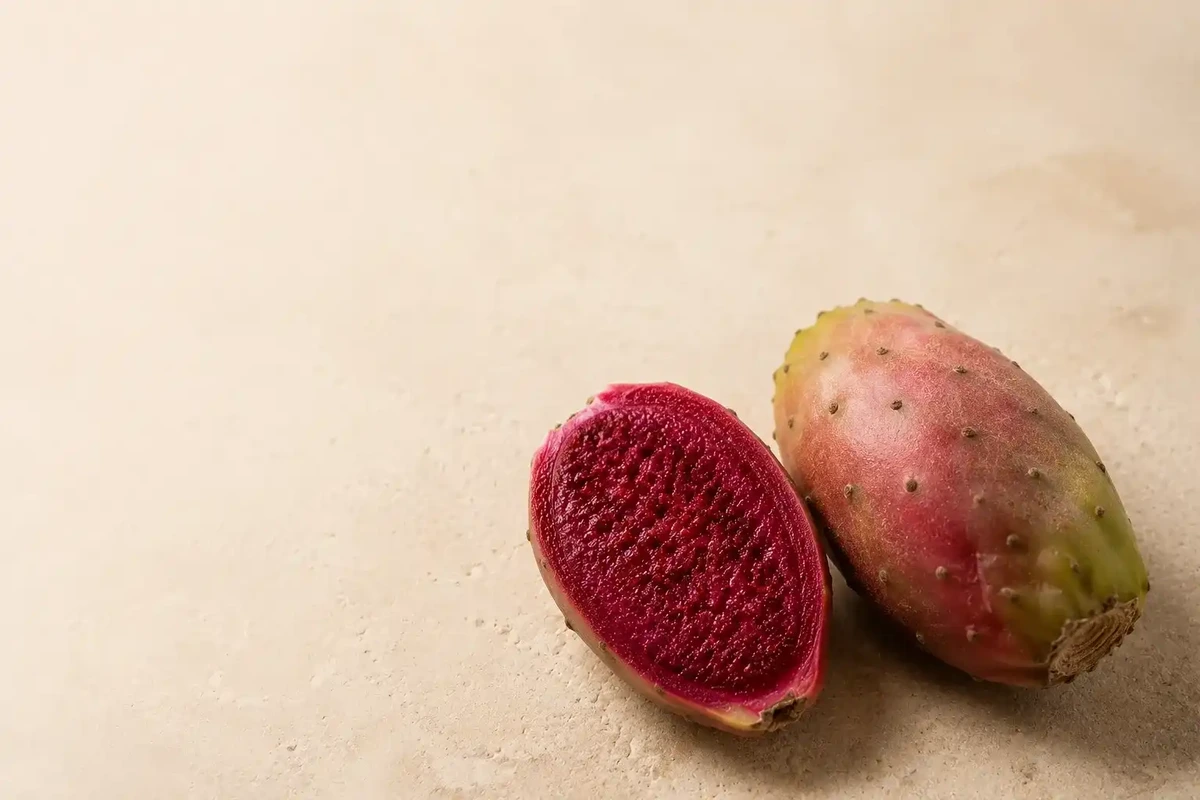
Betalains: The Antioxidant in Prickly Pear Nobody Talks About
BetalainsBetalains are the water-soluble antioxidants in prickly pear that work where vitamin E cannot. Every discussion of prickly pear seed oil focuses on tocopherol content. Betalains, the nitrogen-containing pigments that give the fruit its deep red and yellow hues, are almost never mentioned. That omission matters: the two compounds protect skin in entirely different biochemical environments, and understanding both changes what you expect from the ingredient. Prickly pear is the only commonly used body care botanical that provides antioxidant coverage across both the lipid and aqueous layers of the skin.

Your Body Lotion Cannot Work. Here Is Why
Skin BarrierBody lotion cannot repair dry skin because it replaces water, not lipids. The skin barrier breaks down through lipid loss, not water loss. Adding water on top of a broken barrier temporarily masks the problem: transepidermal water loss continues until the barrier's fatty acid profile is restored with a linoleic-rich oil. If you apply lotion every day and your skin is still dry by evening, the reason is not the brand and it is not how much you use. It is the category.
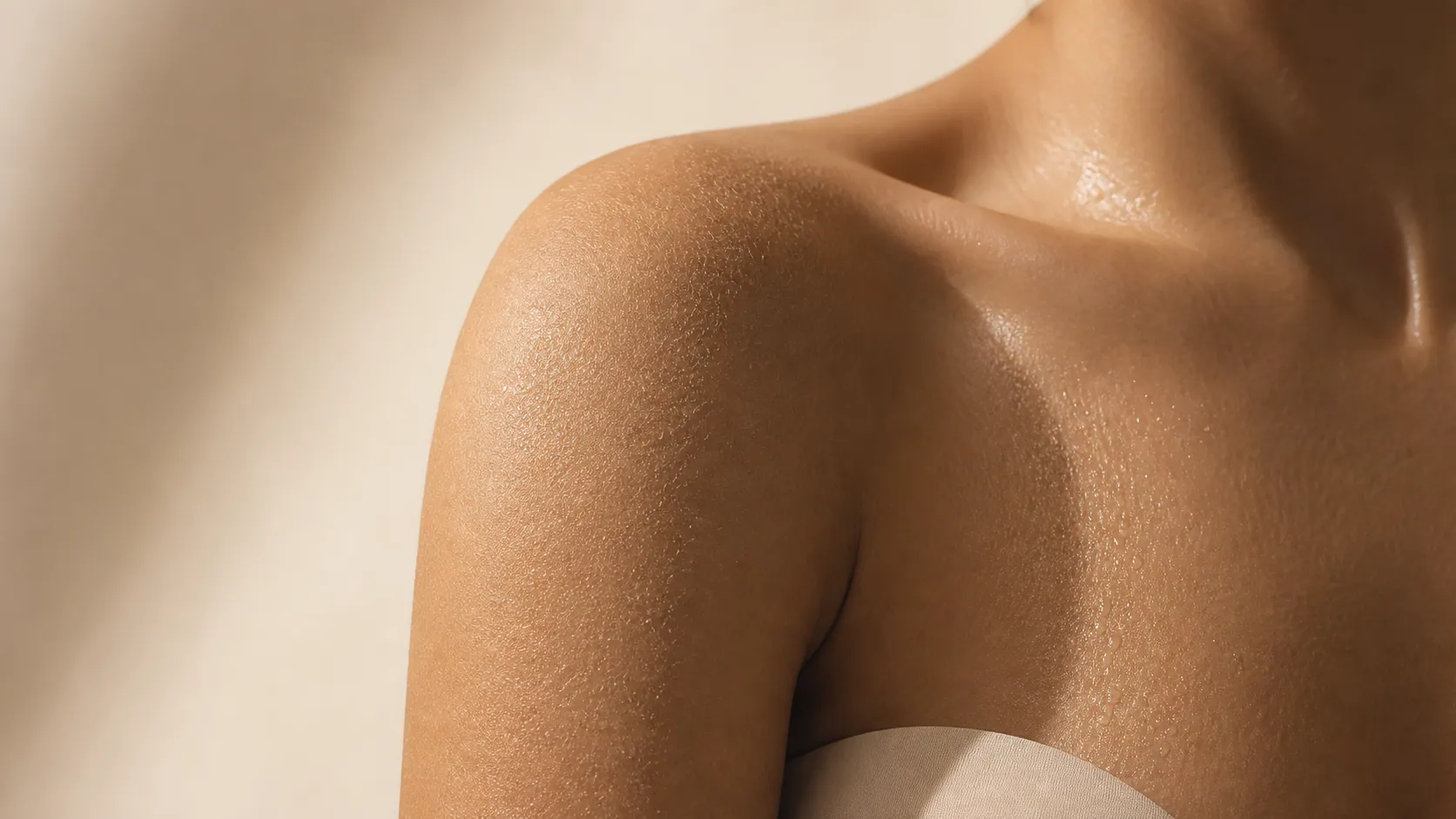
Your Body Skin May Not Be Dry. It May Be Dehydrated.
Dry vs DehydratedYour body can feel dry for two very different reasons. Sometimes the barrier is missing lipids. This is dry body skin. The skin cannot hold moisture because the fatty matrix between its cells has been depleted. Sometimes the cells are missing water. This is dehydrated body skin. The barrier may still be intact, but the skin looks dull, tight, and tired because its water content is low. The surface symptoms can look almost identical. That is why most bodycare routines fail. Oil is applied when the skin needs water. Lotion is applied when the barrier needs lipids. Getting the diagnosis right is not a detail. It is the beginning of effective bodycare.
The waitlist is open.
Join Waitlist